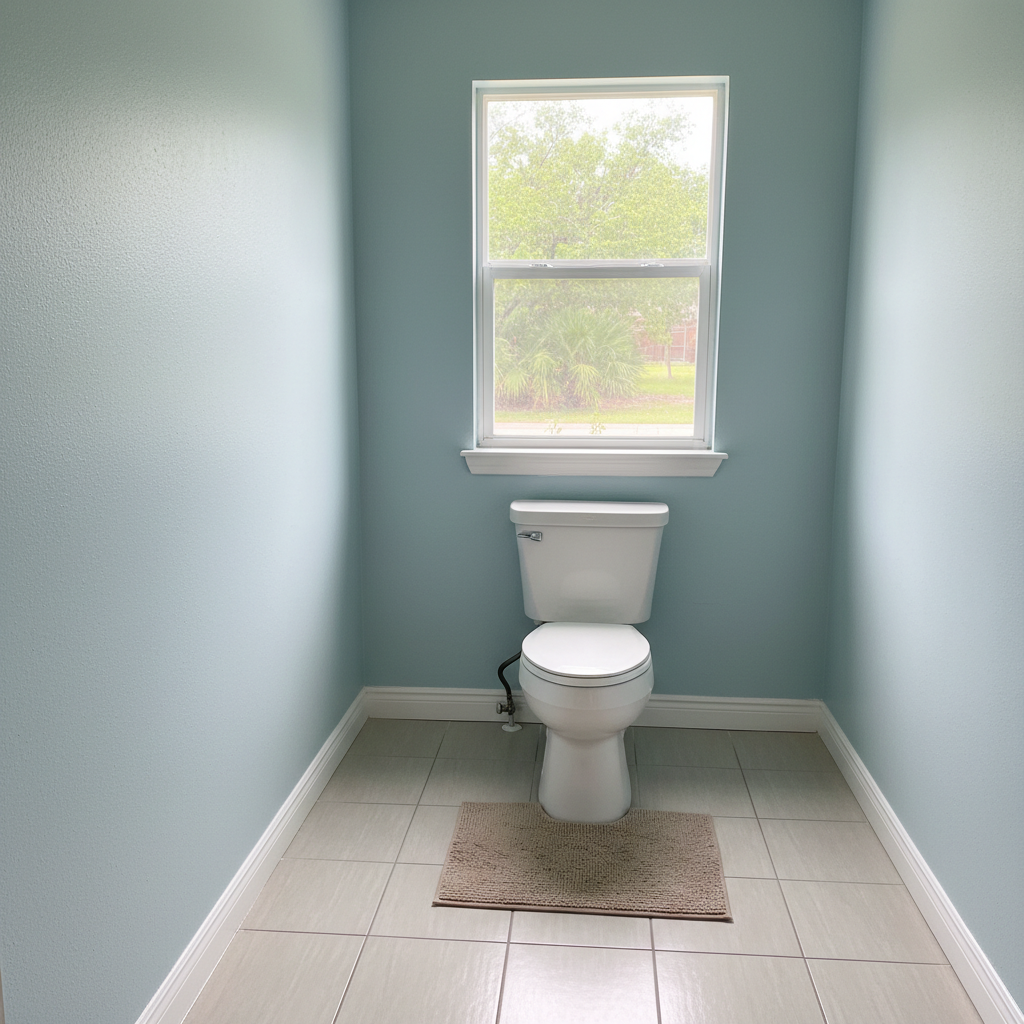
The Real Cost of a Toilet Overflow
You walk down the hallway of your Richardson home and step right into a soggy mess. Your toilet overflowed, and now water is soaking into the baseboards. When you are standing in a puddle, you want to know what this is going to cost you to fix. Most homeowners dealing with a standard toilet overflow find themselves paying anywhere from $500 to $2,500. If the water spreads into multiple rooms or hits your HVAC ducts, that number can climb past $4,000.
United Star Restoration Inc sees these calls all the time across local neighborhoods like Canyon Creek or Duck Creek, where shifting clay soils can sometimes stress plumbing connections. Prices vary based on a few distinct factors that you should understand before signing off on any cleanup work.
What Drives the Price Up or Down?
Not all toilet overflows are created equal. The final total on your invoice depends heavily on three major variables:
- Water contamination level: Clean supply line water is cheap to extract. If the bowl overflows with waste, it is classified as black water, requiring heavy-duty sanitization and specialized personal protective equipment.
- The extent of spread: Water trapped entirely inside a small half-bath takes less labor than water that leaks through the subfloor into a first-floor ceiling or hallway carpet.
- Building materials affected: Standard tile floors are easy to dry and disinfect. Engineered hardwood, laminate, and drywall wick moisture fast and often need to be cut out and replaced.
What Is Included in a Professional Quote?
A legitimate mitigation quote does not just cover a quick mop job. When a professional crew shows up, you are paying for technical labor and commercial-grade machinery. A thorough quote should spell out water extraction, the placement of high-velocity air movers and dehumidifiers for three to five days, antimicrobial treatments to prevent mold growth, and moisture mapping to prove the structure is actually dry. Keep in mind that demolition and reconstruction—like putting up new drywall or laying fresh carpet—are usually billed separately from the initial drying phase.
How to Avoid Overpaying
Panicking leads to rushed decisions and inflated bills. Always ask for an itemized estimate based on industry-standard pricing software rather than a flat, vague guess. Make sure your contractor checks the wall cavities with a moisture meter instead of just looking at the surface. If you have homeowners insurance, document everything with photos before cleanup starts, and let your Water Damage Restoration Service team communicate directly with the adjuster to keep your claim straightforward.